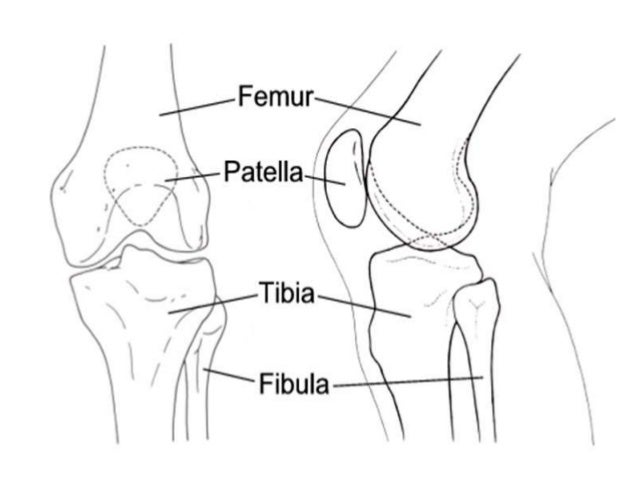
Patients suffering from knee pain (secondary to osteoarthritis or any other pathologies) have difficulty in getting up from lower surfaces like a sofa or the floor. Some of the patients present to the clinics with knee pain and usually also present to the clinics with pain from multiple joints, that can be attributed to the knee. How? Will try to explain my reasoning for the same.
Those presenting with symptoms of knee pain vary from pain only on provocation (sitting cross-legged, squatting or negotiating stairs), to severe pain with difficulty in walking or standing. All of these patients require to sit and here is the root of the problem for involvement of other joints and for the knee to remain painful. These patients, commonly females, would indulge in floor sitting irrespective of the fact whether they are able to undertake them or not or they will sit on elevated surfaces which are of inappropriate height and firmness.
The elevated surfaces for sitting (usually sofas), by design, are generally low in height and the softness of the material makes it more lower once a heavy patient sits on it (heavy patients face a greater difficulty). If the sitting surface is broad the patient has difficulty in sitting properly in an upright posture and slouches. This is primary the case for the housewives or the retired population or those leading a sedentary lifestyle.
When such a patient wants to rise after sitting, he or she usually would do so from the depth of the sitting surface which requires to exert pressure on the upper limbs, buttocks, spine and the feet to raise himself or herself. This mechanism is adopted so as to safeguard the painful knee. This reduces the load on the painful knee and exerts extra load on the other joints. More heavy the patient , more the load on the knee and the other joints. While rising from floor sitting, patients suffering from symptomatic knee will try to exert their full body weight on the upper limbs, smaller joints of the feet and back, assuming a four pedal stance, putting the joints of the two upper limbs under tremendous stress and potential injury.
This repetitive stress on all the joints produces damage to the already ageing tissues of this joints. These joints have already had their share of wear and tear secondary to their primary role in the routine life. The additional insult to protect the knee joint makes them prone to more wear and thus the pathologies in them. The joints which take the brunt of this repetitive stress are usually the shoulder, elbow, fingers, wrist, low back and small joints of the feet. Such patients, with long standing symptomatic or subtle osteoarthritis of the knee, develop polyarthralgia which can become the presenting complaint. These conditions develop due to the fact that multiple lower limb and upper limb joints are being used while rising from sitting and also while undertaking other knee provocative activities (stair climbing, kneeling, squatting, sitting cross-legged). The joints are called for action to compensate for the lack of action at the painful knee.
The common presentations for which knee can be seen as a culprit are
- progressive pain and stiffness at the shoulder with restricted activity or an acute attack with loss of movement
- pain at the elbow, non dominant extremity in particular
- pain and swelling at the wrists, small joints of hand. The thumb gets primarily involved with pain along its entire course or locking.
- tingling numbness both hands
- chronic and acute on chronic episodes of low back pain
- pain in the buttocks, anterior thighs, heel, back of the heel, forefoot
- pain and swelling at the ankle, more on the medial aspect
- any other pain in the lower limb which is more while getting up after sitting and which reduces once the patient starts to walk.
Sitting cross-legged:
The compensation is also done to complete a seemingly innocent activity like sitting cross-legged. Due to the painful knee, the user will not be able to completely flex the knee and thus exert extra external rotation and abduction pressure at the hip (to complete the posture), making them vulnerable to pain. The patient with a painful knee evolves a compensatory gait at the hip such that the thighs are feeling nearer to the center of the body, which weakens the hip abductors and external rotators (muscles responsible for moving the hip out) and tightens the internal rotators and adductors at the hip (muscles responsible for moving the hip inwards). This leads to reduced freedom of movement at the hip required to sit cross-legged which puts extra pressure on the painful knee and thus it becomes a vicious cycle.
The compensation is also done to complete a seemingly innocent activity like sitting cross-legged. Due to the painful knee, the user will not be able to completely flex the knee and thus exert extra external rotation and abduction pressure at the hip (to complete the posture), making them vulnerable to pain. The patient with a painful knee evolves a compensatory gait at the hip such that the thighs are feeling nearer to the center of the body, which weakens the hip abductors and external rotators (muscles responsible for moving the hip out) and tightens the internal rotators and adductors at the hip (muscles responsible for moving the hip inwards). This leads to reduced freedom of movement at the hip required to sit cross-legged which puts extra pressure on the painful knee and thus it becomes a vicious cycle.
Thus knee should always be examined for signs of involvement (more patello-femoral) in patients who usually present with complaints suggestive of repetitive stress in the upper limb joints or lower limb joints,